
Introduction
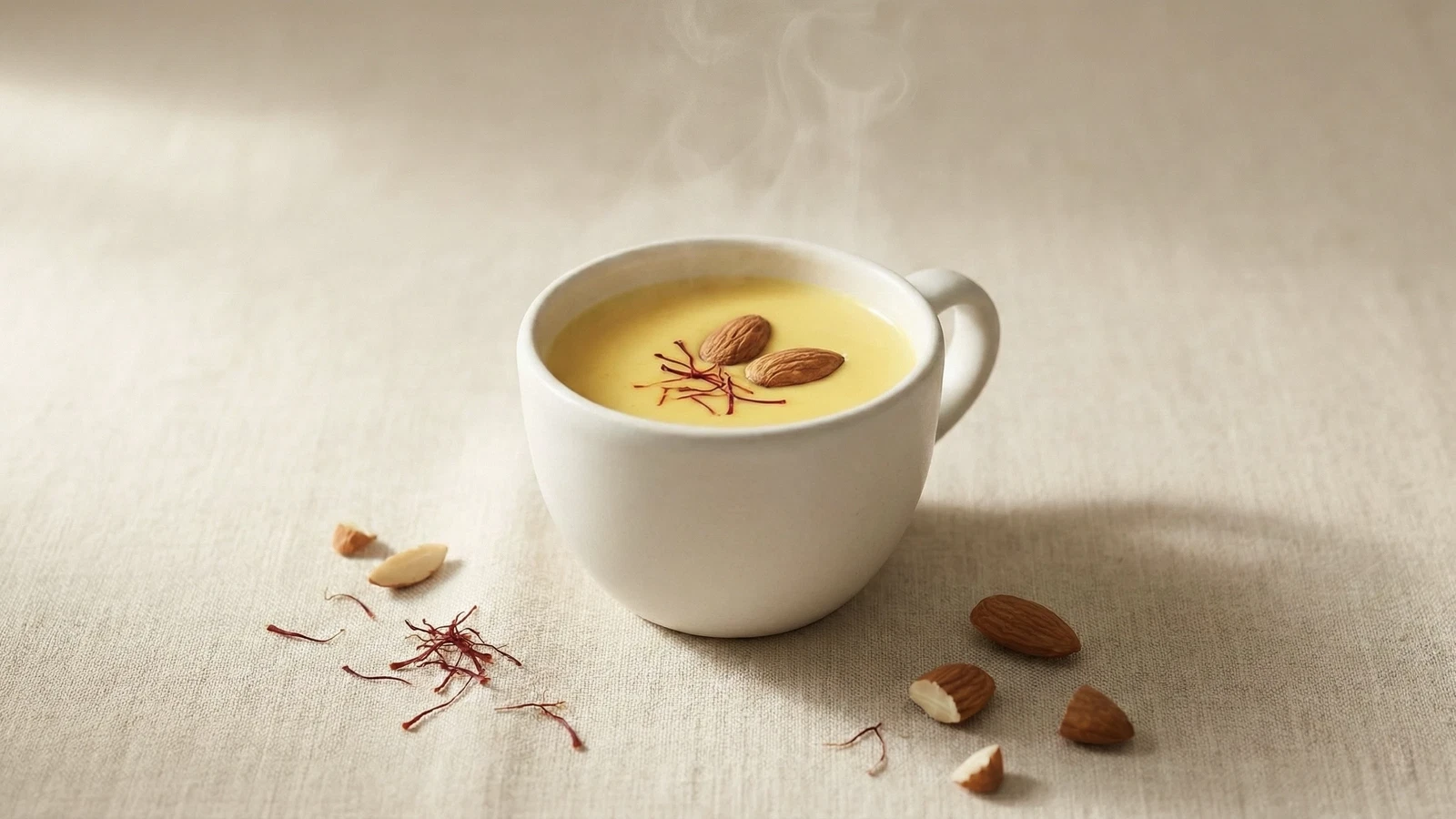
There is a moment, just before nightfall in Kashmir, when the air turns crisp and the aroma of cardamom begins to drift from kitchen windows. Inside, a brass pot sits gently bubbling on the stove, its contents transforming from plain white milk into something luminous—a drink so golden it seems to capture the last rays of the setting sun. This is Kesar Doodh, and for generations of families across India, it has been far more than a recipe. It has been a ritual.
When we first began sourcing Kashmiri Mongra saffron directly from farmers in the Pampore valley, we quickly learned that making exceptional saffron milk is not about following steps—it is about understanding the soul of the spice itself. The difference between a mediocre cup and a transcendent one lies in details most recipes never mention.
Kesar Doodh is not merely a beverage. It is a centuries-old delivery system for botanical medicine, wrapped in the comfort of a warm embrace.
Buy 100% Pure Kashmiri Saffron
Experience the unmatched potency of Grade A++ saffron, hand-harvested in Pampore. Certified for maximum color, aroma, and medicinal value.
Order NowWhy Saffron Quality Determines Everything
Before we discuss technique, we must address the elephant in the room: the saffron you use will make or break this recipe.
Saffron is the world's most expensive spice for good reason. Producing a single kilogram requires approximately 170,000 crocus flowers, each hand-harvested during a narrow two-week window in autumn. This scarcity has created an unfortunate reality—the market is flooded with counterfeits. Dyed corn silk, safflower petals, and even horse hair have all been passed off as genuine saffron to unsuspecting buyers.
In our experience working with authentic Kashmiri saffron, we have seen customers transform their saffron milk from disappointing to extraordinary simply by switching to genuine threads. The investment matters because real saffron delivers what imitations cannot: the complex interplay of crocin (color), picrocrocin (flavor), and safranal (aroma) that defines this spice.
How to Verify Your Saffron at Home
The Cold Water Test
Place 3-4 threads in a small glass of cold water. Genuine saffron releases its golden-yellow color slowly over 10-15 minutes while the threads remain intact and red. Fake saffron bleeds dark red or orange immediately, and the threads turn white or disintegrate.
The Structural Test
After soaking for 20 minutes, remove a thread and rub it between your fingers. Authentic saffron threads remain firm and intact. Counterfeit threads crumble into powder or dissolve into a greasy residue.
The Aroma Profile
Real saffron smells like a distinctive blend of honey and fresh hay. The taste, however, should be slightly bitter—never sweet. If your saffron tastes sweet or has no bitterness, it has likely been adulterated.
For a more comprehensive verification process, we have developed a Saffron Purity Checker Tool that walks you through multiple authentication methods.
The Science of Blooming: Your Secret Ingredient
Here is where most home cooks go wrong, and where your saffron milk will separate itself from the ordinary.
The common mistake: Adding saffron threads directly to boiling milk.
When we tested this approach in our kitchen, the results were disappointing. The high heat destroys safranal, the volatile compound responsible for saffron's intoxicating aroma. What remains is color without soul—a golden drink that looks the part but fails to deliver the full sensory experience.
The solution: Blooming your saffron before it ever touches the main pot.
Method 1: The Traditional Warm Milk Bloom
This is the technique passed down through generations of Indian households, and it remains our preferred method for everyday preparation.
- Place 20-30 saffron threads in a small bowl
- Add 2 tablespoons of warm milk (not hot—approximately 60-70°C or 140-160°F)
- Cover and let steep for 15-20 minutes
- The milk will transform into a deep orange-gold concentrate
The science behind this is straightforward: the fat molecules in whole milk act as carriers for saffron's lipophilic (fat-loving) aromatic compounds. Warm temperatures accelerate extraction without destroying volatile elements.
Method 2: The Persian Ice Bloom
This technique, borrowed from Iranian culinary tradition, produces the most vibrant color and aroma we have ever achieved in testing.
- Lightly grind your saffron threads with a pinch of sugar using a mortar and pestle
- Sprinkle the powder over 2-3 ice cubes in a small bowl
- Allow the ice to melt completely at room temperature (approximately 30-45 minutes)
The gradual, cold extraction preserves every aromatic compound. When you add this concentrate to your warm milk, the flavor complexity is remarkable.
Professional Tip
The sugar acts as an abrasive during grinding, increasing surface area for better extraction. This is a technique used by professional chefs and spice merchants throughout Persia and India.
The Advanced Technique: Ghee-Enriched Kesar Doodh
For special occasions, this variation transforms saffron milk into something approaching dessert—rich, luxurious, and deeply satisfying.
Before adding your milk to the pot, heat 1 tablespoon of ghee over medium-low heat. Add 2 tablespoons of almond flour and sauté gently until the mixture becomes aromatic and slightly golden (approximately 2-3 minutes). Be vigilant—the flour can burn quickly.
Add your milk to this base and proceed with the standard recipe. The result is a drink with extraordinary body and a subtle nuttiness that complements the saffron beautifully.
Plant-Based Adaptations: The 20% Rule
For those who cannot consume dairy, saffron milk need not be off the table. However, plant milks require adjustment.
The fundamental challenge is structural: plant milks contain different lipid compositions than dairy, making them less efficient at capturing saffron's fat-soluble aromatics. Through extensive testing, we developed what we call the 20% Rule.
The Rule: When substituting plant milk for dairy, increase your saffron quantity by 20% to achieve comparable flavor intensity.
| Plant Milk | Flavor Synergy | Creaminess | Saffron Compatibility | Recommendation |
|---|---|---|---|---|
| Almond Milk | ✓ | ~ | ✓ | ✓ |
| Coconut Milk | ~ | ✓ | ~ | |
| Oat Milk | ✓ | ✓ | ✓ | |
| Cashew Milk | ✓ | ✓ | ✓ | |
| Soy Milk | ~ | ~ | ✗ |
Almond milk remains our top recommendation for its natural nuttiness, which creates beautiful synergy with saffron's floral notes. Oat milk comes in a close second, offering superior creaminess.
Coconut milk presents a challenge—its tropical flavor can overpower saffron's delicate profile. If using coconut, we recommend blending it 50/50 with almond milk.
Health Benefits: The Science Behind the Tradition
Saffron milk is not merely tradition for tradition's sake. Modern research has begun validating what Ayurvedic practitioners understood for millennia.
Mental Wellness
The compounds crocin and safranal have demonstrated antidepressant properties in clinical studies. These molecules appear to act as natural reuptake inhibitors for serotonin and dopamine, the neurotransmitters most associated with mood regulation. While saffron milk should never replace professional mental health treatment, its regular consumption may support emotional balance.
Sleep Quality
There is a reason generations of Indian mothers have served kesar doodh at bedtime. Saffron's mild sedative properties, combined with the natural tryptophan in warm milk, create conditions favorable for deep, restorative sleep. In our experience, the ritual aspect matters as much as the biochemistry—the act of slowing down to prepare and savor this drink signals to the body that the day is ending.
Skin Health
Rich in antioxidants, saffron helps protect against oxidative stress—a primary driver of skin aging. The tradition of serving saffron milk to brides before their wedding stems from the belief that it enhances complexion and produces a natural glow. For those interested in topical saffron benefits, our Kashmiri Saffron Skincare Collection offers concentrated formulations.
Ayurvedic Perspective
In traditional Ayurvedic medicine, saffron is considered anti-Tridoshic—meaning it helps balance all three doshas (Vata, Pitta, and Kapha). This rare property makes it suitable for most body constitutions and explains its widespread use across diverse Indian communities.
Pregnancy Precautions
While saffron milk is traditionally given to pregnant women for its nutritional benefits, high doses can stimulate uterine contractions. Pregnant women should consult their healthcare provider and limit intake to 1-2 threads per serving. This is a case where more is definitely not better.
Cultural Rituals: More Than a Recipe
Understanding the cultural context of kesar doodh enriches the experience of making and drinking it.
Sharad Purnima: The Moonlight Healing
On the full moon night of Sharad Purnima (typically October), families across India prepare saffron-infused kheer and place it under the open sky. The tradition holds that moonlight on this particular night carries "Amrit" (divine nectar) that imbues the dish with special healing properties. Whether one believes in the metaphysics or not, the ritual itself—gathering family, preparing food with intention, connecting to lunar cycles—offers its own form of nourishment.
Karwa Chauth: Sustenance for the Fast
During Karwa Chauth, when married women fast from sunrise to moonrise for their husbands' wellbeing, saffron milk forms a central part of the Sargi meal. Consumed before dawn, its combination of protein, fat, and carbohydrates provides sustained energy throughout the day-long fast.
The Ceremony of Hospitality
In traditional Afghan and Kashmiri homes, blooming saffron for a guest is an act of profound hospitality—a tangible demonstration that they are worth the expenditure of something precious. This is why we always encourage customers to share their Kashmiri Mongra saffron with visitors. The ritual of preparation becomes a gift in itself.
Shop Premium Grade Saffron
Elevate your recipes with the world’s finest A++ grade saffron. Lab-tested for high crocin levels and absolute purity.
Buy TodayStoring and Preserving Your Saffron
Proper storage protects your investment. Saffron's enemies are light, moisture, and heat.
- Store threads in an airtight container, preferably glass with a dark exterior
- Keep in a cool, dark place—a spice drawer away from the stove is ideal
- Never refrigerate saffron, as moisture condensation can damage the threads
- Quality saffron maintains potency for 2-3 years when properly stored
If you have prepared bloomed saffron concentrate and have excess, it can be refrigerated in a sealed container for 3-7 days without significant quality loss.
Pairing Kesar Doodh with Kashmiri Traditions
Saffron milk pairs beautifully with other traditional preparations. Consider serving alongside Kashmiri Kehwa for a complete traditional beverage experience, or enjoy it as part of a larger wellness routine that includes Kashmiri Honey and Mamra Almonds.
Key Takeaways
- Always bloom saffron in warm liquid for 15-20 minutes before adding to milk—never add threads directly to boiling milk
- Use the cold water test to verify saffron authenticity before investing in a recipe
- Full-fat milk produces superior results due to fat-soluble compound binding
- Apply the 20% rule when using plant-based milk alternatives
- Serve at bedtime to maximize sleep-promoting benefits
- Store saffron properly to protect your investment
Frequently Asked Questions
Can I boil saffron directly in milk?
Technically yes, but we strongly advise against it. Boiling destroys safranal, the aromatic compound that gives saffron its distinctive scent. Always bloom saffron in warm (not hot) liquid first for 15-20 minutes to extract maximum flavor and aroma.
Can I use turmeric instead of saffron for similar results?
Turmeric can mimic the golden color but delivers an entirely different flavor profile—earthy and peppery rather than floral and honeyed. The health benefits also differ significantly. Turmeric is excellent in its own right, but it is not a saffron substitute.
How much saffron should I use per cup?
For a single cup (250ml), 6-8 threads is sufficient. For a full liter serving four people, 25-30 threads produces optimal flavor without waste.
How long can I store prepared saffron milk?
Freshly prepared kesar doodh is best consumed immediately or within 2-3 hours. Refrigerated, it keeps for 24 hours but loses aromatic intensity. We do not recommend freezing.
Is saffron milk safe during pregnancy?
In moderate amounts (1-2 threads per serving), saffron milk is traditionally considered beneficial during pregnancy. However, larger doses can stimulate uterine contractions. Always consult your healthcare provider before consuming during pregnancy.
Why does my saffron milk not have much color?
This typically indicates either insufficient blooming time or low-quality saffron. Ensure you steep for at least 15 minutes in warm liquid. If color remains pale with properly bloomed saffron, you may have received adulterated product—use the verification tests described above.
Continue Your Journey
What Is Kashmiri Saffron? Benefits, Uses & Grading Explained
To deeply understand the star ingredient of Kesar Doodh, this article provides a comprehensive overview of Kashmiri saffron, its unique characteristics, and various applications.
Health Benefits of Saffron: Mood, Skin & Immunity
Delve further into the scientific-backed wellness aspects of saffron, complementing the health claims made in the Saffron Milk recipe.
Pure vs Fake Saffron: How to Identify Real Kashmiri Kesar
Essential reading for anyone buying saffron, this article provides detailed methods to ensure you are using authentic, high-quality saffron for your Kesar Doodh, reinforcing the importance of quality discussed herein.
Saffron During Pregnancy: Safety, Dosage & The "Fair Baby" Myth (Medical Guide)
Expanding on the critical precaution for pregnant women mentioned in the recipe, this article offers a dedicated medical guide to saffron consumption during pregnancy.
Medical Disclaimer
The information provided in this article is for educational purposes only and should not be considered medical advice. Always consult with a qualified healthcare provider before starting any new supplement.
The Voice Behind This Guide

The Kashmiril Team
Behind every Kashmiril product stands a dedicated team united by a shared commitment to authenticity, quality, and the preservation of Kashmir's wellness heritage. From our sourcing partners in the Himalayan highlands to our quality assurance specialists, each team member plays a vital role in delivering products you can trust.
Authentic Sourcing
Direct partnerships with Kashmiri farmers and harvesters ensure every product traces back to its pure, natural origin.
Lab-Tested Purity
Rigorous third-party testing for heavy metals and contaminants guarantees the safety of every batch we offer.
Ethical Practices
Fair partnerships with local communities preserve traditional knowledge while supporting sustainable livelihoods.
Our mission is simple: to bring the purest treasures of Kashmir to your doorstep, exactly as nature intended—authentic, tested, and true to centuries of tradition.
— Kaunain Kaisar Wani, Founder of KashmirilReferences & Sources
- 1 Care Insurance - Discusses nine key health advantages of saffron, highlighting its ability to fight depression and anxiety by regulating neurotransmitters and its role in protecting heart health by managing cholesterol and blood pressure. View Research
- 2 Joyful Belly Ayurveda - Provides an Ayurvedic deep-dive into saffron as an "anti-Tridoshic" herb that balances all three doshas (Vaat, Pitt, and Kaph) while acting as a cooling blood purifier, skin tonic, and reproductive rejuvenative. View Research
- 3 Baidyanath Ayurved - Explores how bioactive compounds like crocin and safranal support immunity, heart health, and digestion while providing the body with potent antibacterial and anti-inflammatory properties to fight seasonal illness. View Research
- 4 The Ayurveda Experience - Details the chemical constituents of saffron and its traditional therapeutic uses, including its role as a sedative for treating insomnia, a brain tonic for enhancing memory, and its ability to rejuvenate skin texture. View Research
0 comments